

Shopping Organic on a Budget at a Local Health Food Store
Shopping organic does not have to mean overspending. While organic foods are often associated with higher prices, a thoughtful approach can help you enjoy healthier options while staying within your grocery budget. Health food stores offer a wide range of organic produce, pantry staples, snacks, supplements, and specialty items, making them a great place to shop smarter.
With a little planning, you can make organic shopping more affordable and practical for your household.
Start With a Shopping List
Before visiting a health food store, make a list of the items you truly need. Planning meals for the week can help you avoid impulse purchases and reduce food waste.
Focus your list on versatile ingredients such as:
- Organic fruits and vegetables
- Whole grains
- Beans and lentils
- Eggs or dairy products
- Nuts and seeds
- Natural snacks
A clear shopping list helps you stay focused and compare prices more easily.
Prioritize Organic Items That Matter Most
You do not have to buy everything organic to make healthier choices. If you are working with a limited budget, prioritize the foods your family eats most often or items where organic options matter most to you.
Many shoppers choose organic produce, dairy, and meats first, then buy conventional options for other items when needed. This balanced approach can help you stretch your budget without giving up your wellness goals.
Shop Seasonal Produce
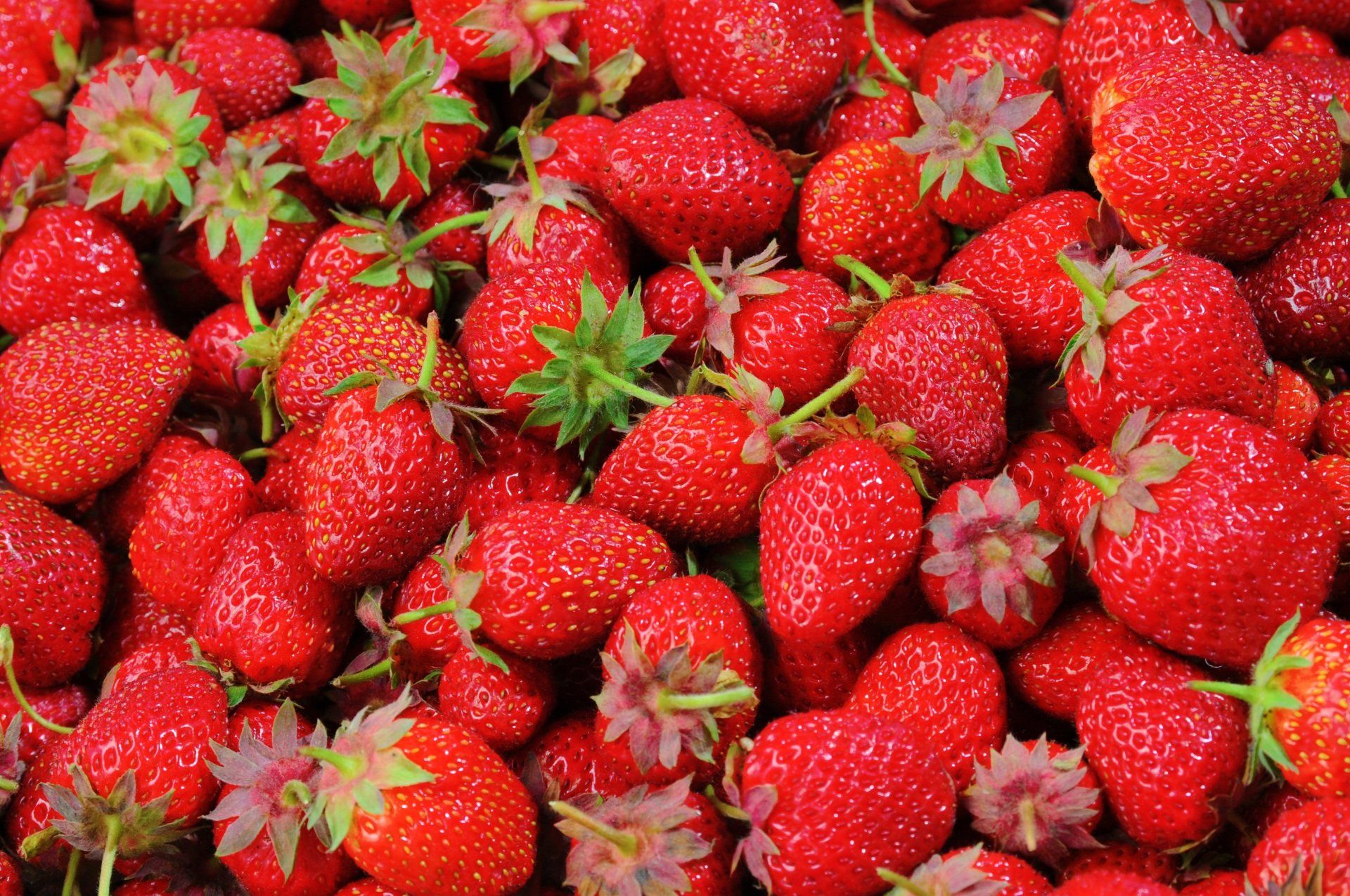
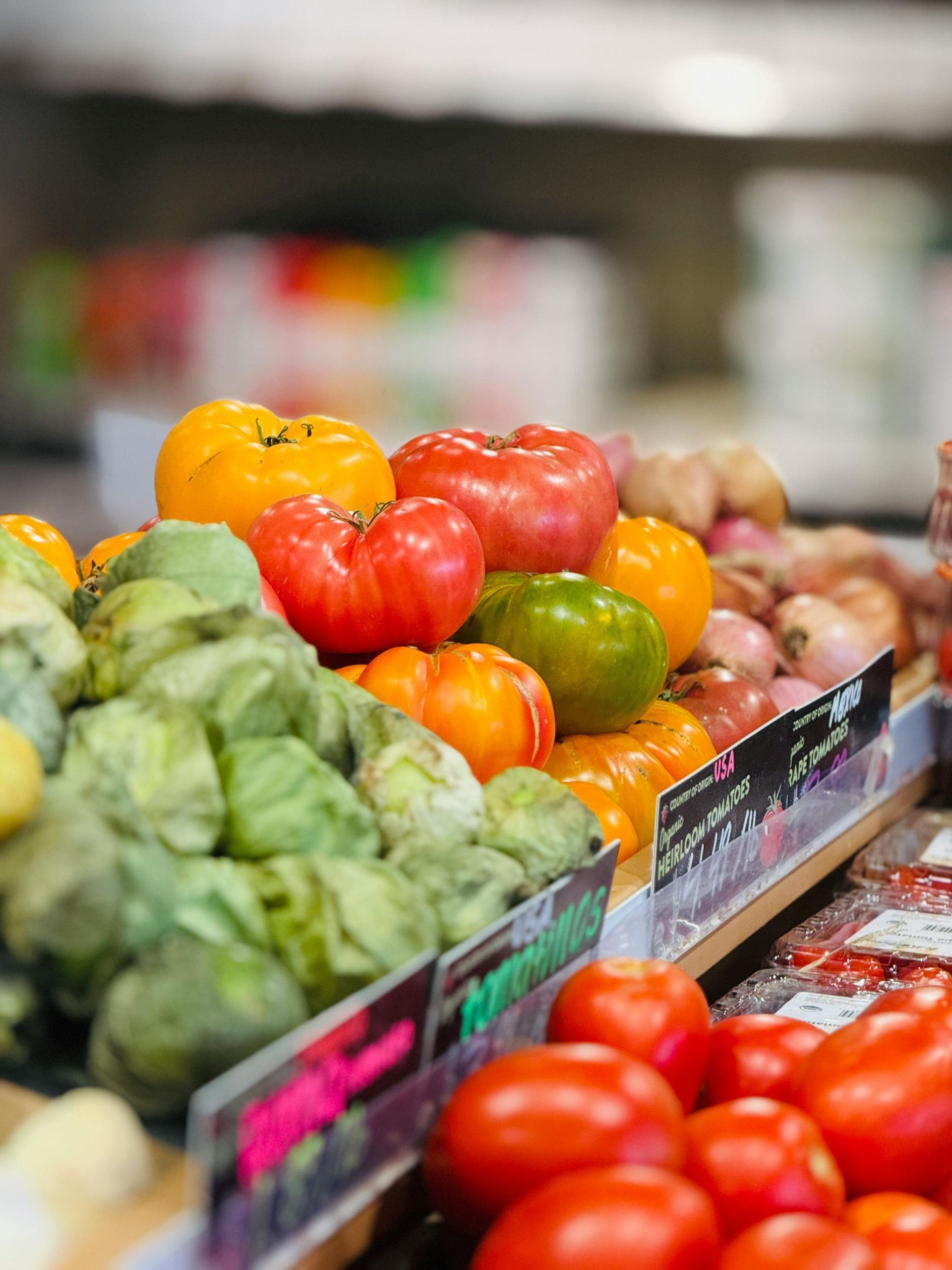
Seasonal fruits and vegetables are often fresher, more flavorful, and more affordable. Health food stores frequently carry organic produce that reflects what is currently in season. Buying seasonal items is sure to help you save money while adding variety to your meals throughout the year.
Buy in Bulk When Possible
Many health food stores offer bulk sections where shoppers can purchase grains, nuts, seeds, dried fruit, herbs, spices, and other pantry staples by weight.
Buying in bulk allows you to:
- Purchase only the amount you need
- Reduce packaging waste
- Save money on frequently used ingredients
- Try new items without committing to large packages
Bulk shopping is especially useful for organic staples like oats, rice, quinoa, beans, and flour.
Compare Store Brands & Specialty Brands
Organic products vary widely in price. Store brands or local brands may offer the same quality at a lower cost than national specialty brands.
Take time to compare labels, ingredients, and unit prices. In many cases, budget-friendly organic options are available without sacrificing quality.
Look for Sales and Loyalty Programs
Health food stores often offer weekly specials, loyalty rewards, coupons, or member discounts. Taking advantage of these savings can make organic shopping more affordable over time.
Before you shop, check for promotions on staple items you already use. Stocking up during sales can help lower your average grocery cost.
Choose Whole Foods Over Packaged Foods
Pre-packaged organic snacks, frozen meals, and convenience foods can be expensive. To save money, focus on whole ingredients that can be used in multiple recipes.
For example, organic beans, rice, vegetables, and spices can create several affordable meals, while packaged organic products may cost more per serving.
Visit Our Health Food Store to Explore Our Selection
Shopping organic on a budget is all about balance, planning, and smart decision-making. By prioritizing key items, shopping seasonally, buying in bulk, comparing prices, and focusing on whole foods, you can enjoy the benefits of organic products without overspending.
If you're interested in accessing a wide organic selection at competitive prices, we urge you to stop by Ever'man Cooperative Grocery & Cafe! Our team takes pride in assisting shoppers across the Pensacola, Milton, Pace, Gulf Breeze, and Navarre, FL communities. No matter what's on your shopping list, we're sure to feature the right items at an excellent rate.